Note what you see
Capture the fixture or area involved, what changed, and any details that may help explain the concern.


Describe what is happening at home and get your details ready for a conversation with a local plumber.
Exact service coverage and public contact details are still being confirmed.
Common plumbing concerns to help describe what you need. The business’s confirmed service list is not yet available.
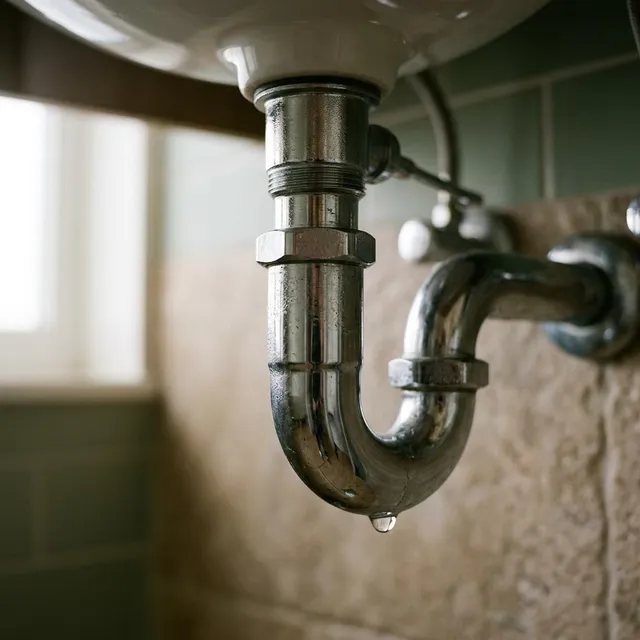 01AI concept
A leak, a persistent drip, or signs of moisture where they should not be.
Describe this 02AI concept
Slow drainage, a blockage, or an unusual change in how a fixture drains.
Describe this 03AI concept
A question about a tap, toilet, sink, or another household plumbing fixture.
Describe this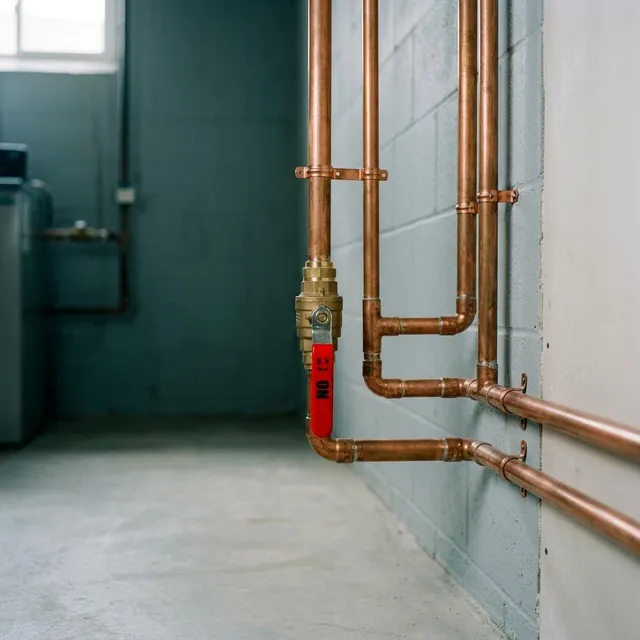 04AI concept
A concern involving water supply, visible piping, or a change in water flow.
Describe thisExamples only—not confirmation that each category is offered. Please confirm scope before arranging work. Images are AI-generated concepts, not company work.
Share the location, what you have noticed, and when it began. A request can be submitted for review, but it does not arrange or confirm an appointment.
Capture the fixture or area involved, what changed, and any details that may help explain the concern.
Review service scope, coverage, and contact details directly with the business once confirmed.
Share your details for review. A submission is stored as a request only and does not confirm an appointment.
Plumber Orleans focuses on plumbing information for homeowners in Orléans and Ottawa. Exact neighbourhood coverage and travel boundaries should be confirmed directly before relying on availability.
Explore coverage detailsInclude your neighbourhood or postal code when asking about coverage, and confirm availability before making plans.

Find out what is known today and what still needs to be confirmed.
A plumbing concern can be difficult to explain when you are not sure what caused it. Start with what you can see, hear, or notice: the fixture involved, where the change appeared, when you first noticed it, and whether it is continuing. This kind of clear description is useful whether you are looking for general information, contacting a property manager, or asking a plumbing business whether it can help.
You do not need to identify the technical cause before asking a question. A useful description separates the observation from the explanation: “water appears under the kitchen sink after the tap runs” is more specific than “the pipe is broken.” If the issue changes, describe how it changes rather than guessing why. A short, factual note can save time and reduce confusion during a later conversation.
Before you send a request or make a call, consider noting:
The exact location, such as the room, floor, fixture, or nearby visible connection.
When it began, whether it is constant or intermittent, and whether it has changed since you first noticed it.
What was happening at the time, such as a tap being used or a toilet being flushed, without assuming that this proves a cause.
Whether one fixture or several areas seem affected, and whether anyone else in the home or building has noticed a similar change.
Any steps already taken, products used, or visible changes you observed afterward.
If a photo would help explain the situation, take it only when doing so is safe and the area is accessible. A photo can show location and appearance, but it cannot reliably identify a hidden cause. Keep private documents, faces, and unrelated personal information out of images you share.
These examples help organize a question. They are not a confirmed list of services or a diagnosis of the cause.
A drip at a tap, moisture inside a cabinet, a damp patch on a ceiling, and water near a visible pipe are different observations. Record exactly where the water appears and whether the area is wet all the time or only after a fixture is used. If you can do so safely, note whether the wet area is growing, whether items nearby are getting wet, and whether the water seems to come from a visible connection or from somewhere you cannot see.
Protect belongings from further exposure only if you can do that without entering an unsafe area. If there is an accessible shutoff valve that you already know how to operate, you may use it when it is safe; do not force a stuck valve or dismantle equipment to investigate. Keep away from wet electrical equipment. If you are unsure whether the area is safe, leave it alone and seek appropriate help. For more examples of how to describe the issue, see the page about common plumbing concerns.
When drainage seems slower or different than usual, write down which sink, tub, shower, or other fixture is involved. Note when you first observed the change, whether it happens every time or only sometimes, and whether another fixture changed at the same time. These details describe the pattern; they do not prove that the cause is a blockage or show where it might be.
Avoid mixing cleaning products. If you have already used a drain-cleaning product, keep its name or packaging and tell the person you contact what was used and when. Do not reach into a drain or take apart a fixture if you are uncomfortable doing so. A clear note about the fixture and what has already been tried is more useful than a confident guess about a hidden pipe. You can browse the homeowner guides for more ways to prepare questions before discussing a concern.
A question about a tap, toilet, sink, shower, or another household fixture is easier to understand when you name the item and the change you noticed. For example, say whether a tap handle feels different, a toilet continues to sound after use, or water appears around the base of a fixture. These statements report what you observed without claiming that a specific part has failed.
If the fixture has a nearby shutoff valve, mention whether you know where it is and whether it appears reachable; do not turn a valve that feels stuck or unsafe. If the concern involves a rental home or shared building, you may also need to contact the landlord, property manager, or building contact according to your arrangement. This site cannot determine who is responsible for a repair at a particular property. The request preparation checklist can help you gather the basic details first.
If water flow seems different, record which fixture is affected and whether the change is limited to hot water, cold water, or both, if you can tell safely. Note whether the change appeared suddenly or gradually and whether other fixtures seem normal. If you notice a stain, corrosion, or moisture near visible piping, describe its location and appearance without scraping, opening, or disturbing the material.
A change in flow can have more than one possible explanation, including factors outside the fixture you are observing. A website cannot inspect a building or diagnose a pipe from a short description. If the concern affects more than one room or appears to involve a shared building system, include that context when you contact the appropriate building representative or plumbing professional. For general local information, review the Orléans and Ottawa coverage page; it explains what is known and why exact service boundaries should be confirmed.
A request is most useful when it gives the reader enough context to understand what you are asking about. Keep it concise and organized: name the fixture or area, explain the visible change, state when it began, and mention whether it is ongoing. Include any relevant steps already taken, especially if a product or shutoff has been used. If you do not know the cause, say so plainly. A careful description is more reliable than an unsupported diagnosis.
If you are writing on behalf of a household or property, make sure you have permission to share the information. Provide only details needed to understand the concern. Do not include passwords, financial account details, or sensitive documents. If you attach a photograph, check that it shows the relevant area and does not reveal unrelated personal information. Keep a copy of the details you send so you can refer to them later.
Before arranging work, confirm the specific service you need is offered and that the business can attend your address. A general focus on Orléans and Ottawa is not the same as a verified list of neighbourhoods or travel boundaries. Share your neighbourhood or postal code when asking about coverage, and wait for a direct answer before assuming that a visit can be arranged.
Ask what the next step involves and whether any inspection, diagnostic visit, estimate, or call has a fee. If you receive a quote, ask what work and materials it includes, what could change the amount, and whether approval is needed before additional work. You can also ask about scheduling, payment methods, qualifications, insurance, and any warranty or follow-up terms that matter to you. These are questions to verify, not promises about what any business provides.
The contact page lists the public details currently supplied for this website. If you need a phone number, email address, operating hours, or an address for a visit, check the contact information page and confirm those details directly before relying on them. The frequently asked questions also explain what a request does and does not confirm.
No. Describe what you observed, where it happened, and when you noticed it. A professional can ask follow-up questions or inspect the area if that service is available. Avoid presenting a guess as a confirmed diagnosis.
No. A submitted request is for review and preparation; it is not an appointment confirmation. Any availability, timing, and next step must be confirmed directly. Read the FAQ about requests and scheduling before relying on a form submission as a booking.
No. Leaks, drains, fixtures, and piping are examples of common household concerns used to help people describe an issue. They are not a verified service menu. Check the current service information and confirm the exact work directly.
Ask about your precise neighbourhood or postal code before arranging work. The site’s local focus does not confirm every Ottawa area or guarantee availability at a particular address. The coverage information page summarizes that limitation.
Use this page to organize what you have noticed, then follow the link that best matches your next question. The homeowner tools include a simple water-use calculator for estimates based on visitor-entered values; it is not a leak detector or plumbing diagnosis. Browse the homeowner information guides for additional reading, or review contact details before deciding whether to prepare a request. Each page is designed to help you ask clearer questions without implying a service, price, or appointment that has not been confirmed.