Backwater Valves in Ottawa: A Homeowner Guide
Learn how backwater valves work, what they protect, how Ottawa’s permit and rebate information fits in, and which maintenance questions to ask.
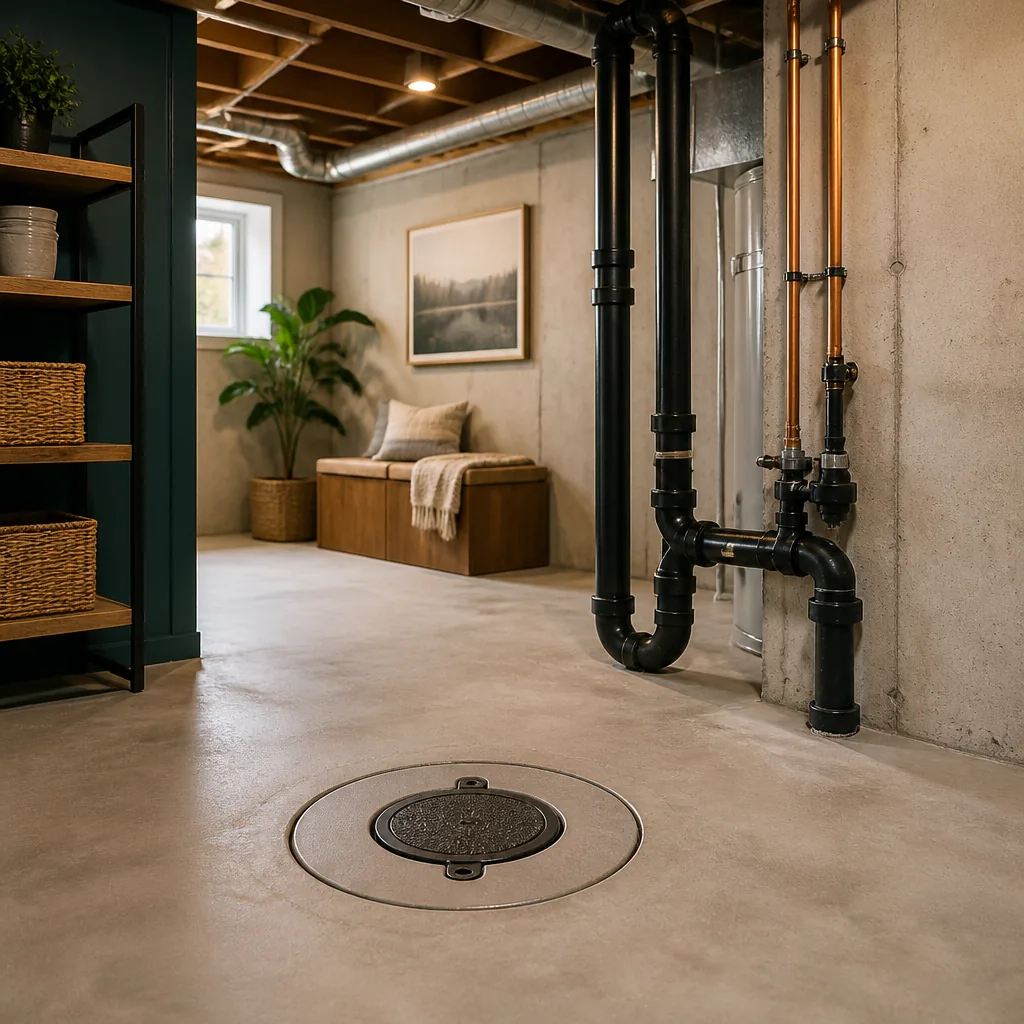
A backwater valve in Ottawa is a one-way device on a building sewer that can help limit reverse flow from the municipal sewer into connected lower-level fixtures. It addresses one pathway—sewer backup—not groundwater, surface runoff, foundation seepage, or a sump-pump failure. Whether a valve is appropriate depends on the home’s plumbing layout, the type of sewer exposure, permit requirements, and the device’s placement. This guide explains the distinctions, points to current City information, and helps homeowners prepare questions without treating a general article as a diagnosis or installation plan.
The basic mechanism
How does a backwater valve work?
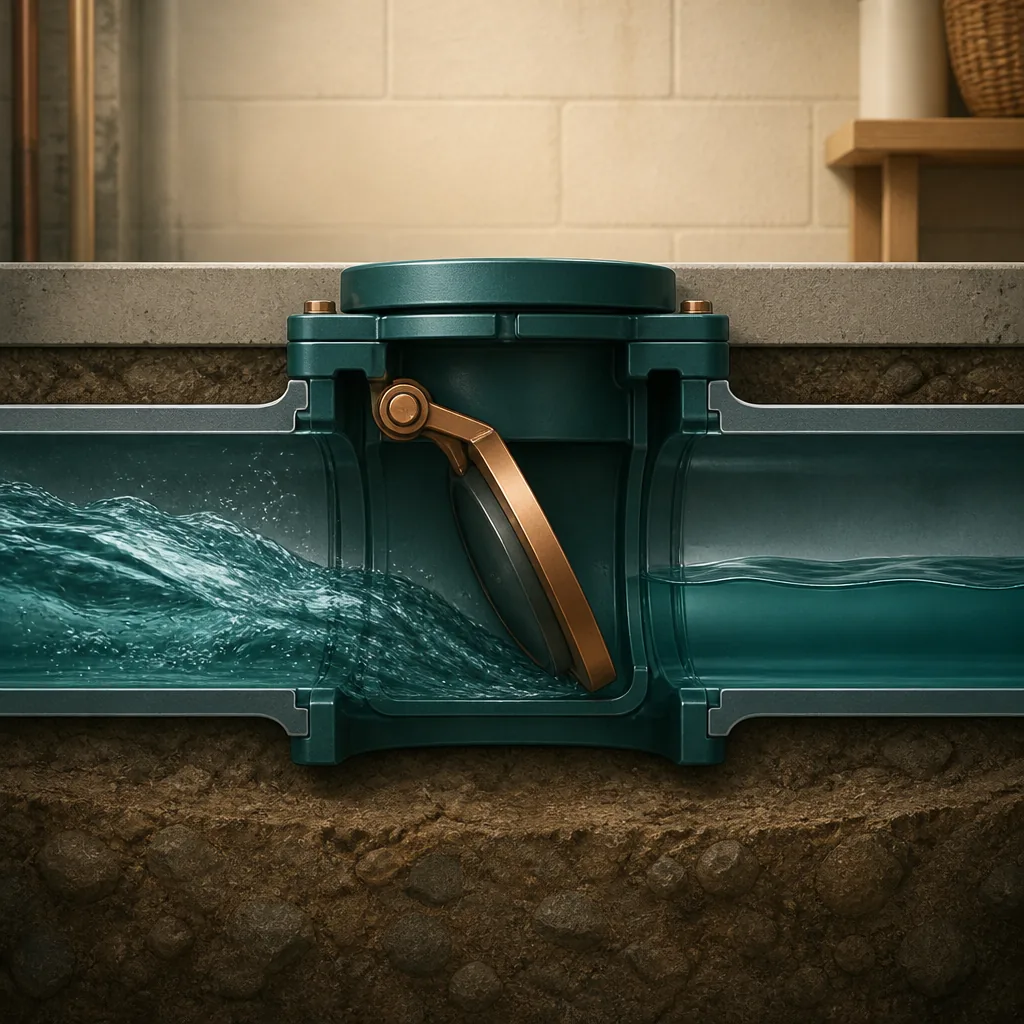
A backwater valve is installed on a pipe that carries wastewater toward a municipal sewer or septic system. Under ordinary conditions, wastewater leaves the building through the device. If flow reverses, a gate or flap closes to help block wastewater from traveling back into the protected portion of the home’s drainage system. Canada.ca(opens in a new tab) describes normally open and normally closed designs; the correct type and location depend on the plumbing layout and product requirements.
The phrase “the protected portion” matters. A valve does not automatically protect every drain or fixture in a building. Which fixtures are protected depends on where branches connect in relation to the valve. A professional needs to understand the home’s drainage arrangement before recommending a location. A diagram or a neighbour’s installation cannot establish the right configuration for another property.
Normal conditions
Wastewater leaves the home and flows outward to the municipal sewer. The gate or flap stays open to that flow.
Reverse flow
If sewer flow reverses, the gate closes to help block wastewater from returning into the protected portion of the drainage line.
While closed, water used inside the home on the protected line may have nowhere to go. Groundwater and surface water are separate pathways. A backwater valve helps with reverse flow in a connected sewer line; it is not a whole-basement flood barrier.
When the gate is closed during a sewer surcharge, wastewater produced inside the home may have nowhere to go until the municipal sewer level falls and the valve reopens. Avoiding showers, laundry, dishwashing, and other water use during that period is an important part of understanding how the device behaves. The device reduces a particular exposure; it does not make household drainage independent of the municipal sewer.
Set realistic expectations
What does a backwater valve protect—and what does it not?
A properly selected and installed valve can help reduce the chance of wastewater moving backward through the sewer connection and entering connected lower-level fixtures. It may be relevant when a home has experienced sewer backup or when a homeowner is planning a renovation and wants to understand the sewer connection. The City of Ottawa(opens in a new tab) recommends protective plumbing devices as one part of basement-flood risk reduction.
- It does not stop groundwater rising through a basement floor or entering through foundation walls.
- It does not redirect surface runoff, fix a window well, or correct grading that slopes toward a house.
- It does not keep a sump pump running during a power interruption or repair a failed pump.
- It does not clear a blocked or damaged sewer pipe, and it cannot prove why a past backup occurred.
- It does not let wastewater leave the home through the protected line while its gate is closed.
Basement water can arrive through more than one route. The City lists steps such as sealing openings, directing downspouts away from the foundation, keeping debris out of street drains, and maintaining protective plumbing. These measures address different conditions, so choosing a valve should not replace looking at other visible water pathways. If you are unsure whether a problem was sewer backup, groundwater, or surface water, describe the evidence and ask for an assessment rather than selecting a device based on a guess.
Local rules can change
What Ottawa homeowners should verify about permits and rebates
Ottawa has a Residential Protective Plumbing Program(opens in a new tab) that may provide financial assistance to eligible property owners for qualifying devices, including certain backwater valves. The City’s current program page lists different property-age thresholds for storm and sanitary valve rebates, requires a building permit for the work it describes, and says maintenance, repair, and replacement of existing protective plumbing devices are not rebate-eligible. Eligibility is decided by the City; do not assume a property or project qualifies.
| Eligible work listed by Ottawa | Published maximum |
|---|---|
| Indoor sanitary backwater valve | $1,000 |
| Indoor storm backwater valve | $1,000 |
| Outdoor storm backwater valve | $2,500 |
The City page(opens in a new tab) also shows that the program has eligibility conditions, paperwork, inspection steps, and application timing. As of the date checked for this guide, the page includes an update saying the completion and application period changed to 18 months effective July 1, 2026, while a later step on the same page still mentions 12 months. Because those instructions conflict, confirm the current deadline directly with the City before you schedule work or rely on a rebate. The City’s by-law(opens in a new tab) is available for reference, but City staff and the official application instructions should be used for a decision about a specific property.
When discussing the work with a licensed professional, ask who will confirm permit and inspection requirements, how the installation location will be selected, and which documents you should keep. The City program page asks applicants to supply items such as a building permit, inspection report, receipts, ownership documentation, and an itemized invoice. A complete file can matter as much as the device itself.
Before choosing equipment
What information helps a professional assess the property?
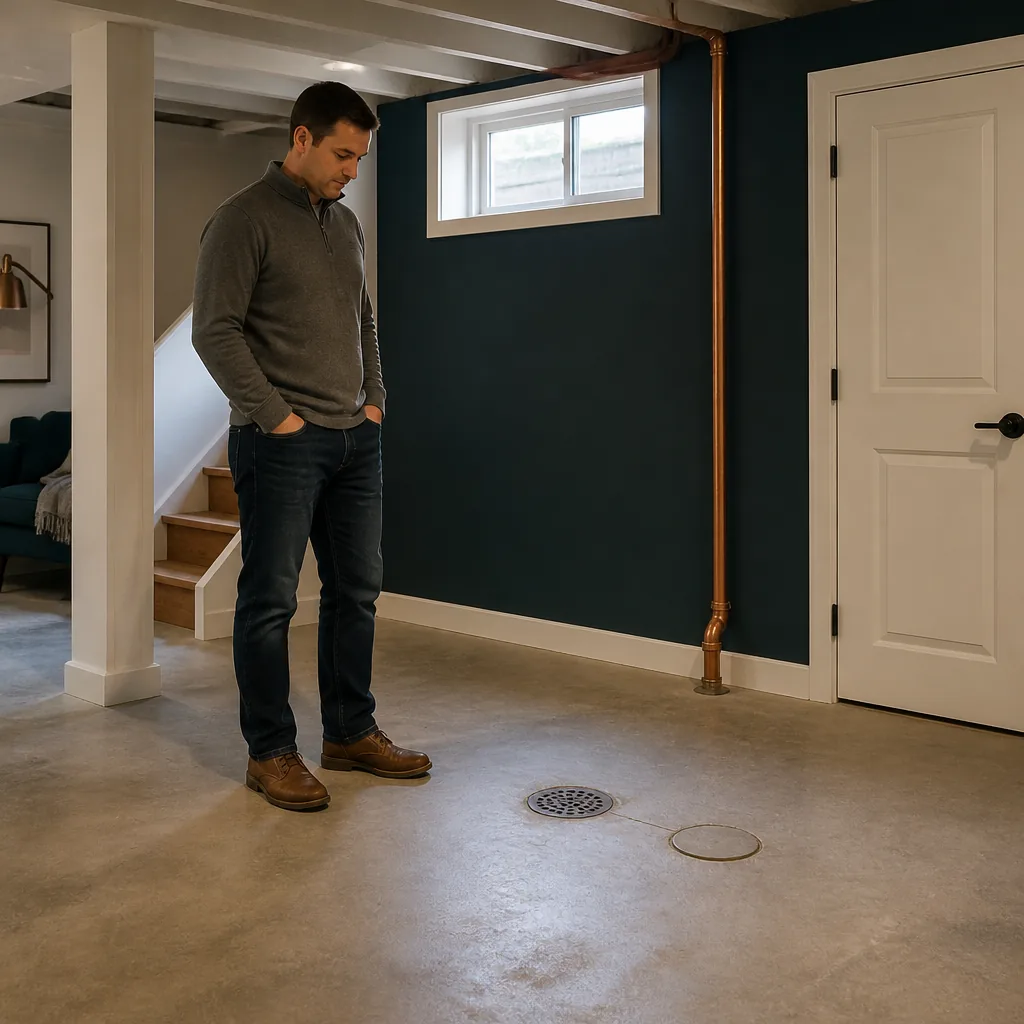
A useful first conversation starts with observations, not a product request. Note whether water came from a floor drain, toilet, sink, wall, window well, or another place; whether it appeared during heavy rain or rapid snowmelt; whether more than one fixture was affected; and whether the event has happened before. Do not enter a flooded area or approach wet electrical equipment to collect details.
If you know where the building cleanout or existing access cover is, you can mention its location. Do not open covers, remove caps, or probe a sewer line if you are not comfortable or if sewage may be present. A camera inspection or other investigation may be appropriate for some jobs, but a website cannot determine that from a short description.
- Describe the water path and the fixtures involved, using plain language.
- Share the date or conditions of the event, including rain or snowmelt if you noticed them.
- Mention previous drain or sewer work, an existing valve, or a building permit if known.
- Ask what the assessment can establish, what remains uncertain, and what it will cost before authorizing work.
- Request a written scope that identifies the protected line, access plan, inspection steps, and restoration assumptions.
For a local provider’s published scope, Lister Plumbing describes its backwater valve(opens in a new tab) installation service online. If you are comparing providers, review the scope and ask questions directly; that description is not an endorsement by Plumber Orleans or a promise that a particular job is suitable.
For basic preparation, use the Plumber Orleans request checklist before sending a message. The service information page can help you describe the concern. This article is general homeowner information, not a property assessment; confirm the specific project scope, availability, and scheduling directly before making plans.
Keep access clear
How should a backwater valve be maintained?
A valve needs to remain accessible for inspection and maintenance. Ottawa(opens in a new tab) advises maintaining protective plumbing devices periodically and before forecast heavy rainfall, following the manufacturer’s instructions. Canada.ca(opens in a new tab) also recommends professional inspection and maintenance; the right frequency depends on the device, use, and the home’s piping.
Homeowners can keep the access area clear and find the product manual or installation paperwork. Do not treat a quick visual look as proof that the valve works. Do not remove a cover, handle sewage, or put hands near a moving flap unless the manufacturer’s instructions say the task is appropriate and the area is safe. If the access is blocked, the valve looks damaged, or there is odour, debris, or evidence of a backup, stop and ask a qualified professional.
Ottawa notes that rust can collect around the hinge of some older cast-iron systems and interfere with closure. That does not mean every old pipe has the same problem; it is a reason to have a condition-specific inspection when the system’s history is unclear. A homeowner should not scrape or force the gate to see whether it moves.
Make the scope clear
Questions to ask before authorizing an installation
- Which sewer line and fixtures would this valve protect, and how was that determined?
- What inspection or camera work is included, and what are its limits?
- Which building permit or inspection requirements apply to this property?
- How will the access cover remain reachable after the floor is restored?
- What maintenance does the manufacturer require, and who will explain it?
- Which work, materials, restoration, and potential changes are included in the written estimate?
- Does the City program appear relevant, and which eligibility details must I verify with Ottawa myself?
Ask for a clear separation between what the inspection shows and what remains uncertain. No device can guarantee that a basement will stay dry in every storm or sewer event. A careful scope should explain the intended protection, any known limitations, and the maintenance needed to keep access practical.
A backwater valve is one part of a wider basement water plan. For a separate explanation of the groundwater pathway and pump maintenance, continue to the sump pump guide.
Quick answers
Frequently asked questions
Does a backwater valve stop all basement flooding?
No. It helps limit reverse flow through the sewer line it protects. Groundwater, surface runoff, foundation seepage, window wells, and sump-pump failures are separate pathways.
Does every Ottawa home need a backwater valve?
There is no one-size-fits-all answer for an existing home. The sewer layout, applicable building requirements, property history, and local permit rules matter. Ask a qualified professional and verify current City requirements.
Can I use water while the valve is closed?
Avoid using fixtures connected to the protected line while the valve is closed. Wastewater may not be able to leave the home until the sewer condition clears.
Does Ottawa offer a backwater-valve rebate?
Ottawa’s Residential Protective Plumbing Program lists rebates for some qualifying installations. Eligibility depends on the property, device, permit, documentation, and current program rules; confirm directly with the City before arranging work.
Can I install or clean a backwater valve myself?
The installation requires assessment of the actual building sewer and applicable permit requirements. For maintenance, follow the manufacturer’s manual and ask a qualified professional if the access area may contain sewage or the device is not clearly safe to inspect.
How often should a backwater valve be checked?
Follow the manufacturer’s schedule and local guidance. Ottawa recommends periodic maintenance and checks before forecast heavy rainfall; a professional can advise based on the installed device and piping.
Where to go from here
Bring your observations, not a guess.
Note where water appeared, when, and which fixtures were in use. Verify permits, rebates, and rules with the City of Ottawa, and ask a qualified professional what an assessment can and cannot establish. Confirm the project scope and scheduling directly before arranging work.
Checked references
Sources
- City of Ottawa: How to prevent basement floodingottawa.ca(opens in a new tab)
- City of Ottawa: Residential Protective Plumbing programottawa.ca(opens in a new tab)
- City of Ottawa: Residential Protective Plumbing By-law No. 2025-89ottawa.ca(opens in a new tab)
- Government of Canada: Backwater valvescanada.ca(opens in a new tab)
- Lister Plumbing: Backwater Valve Installation Ottawalisterplumbing.ca(opens in a new tab)